
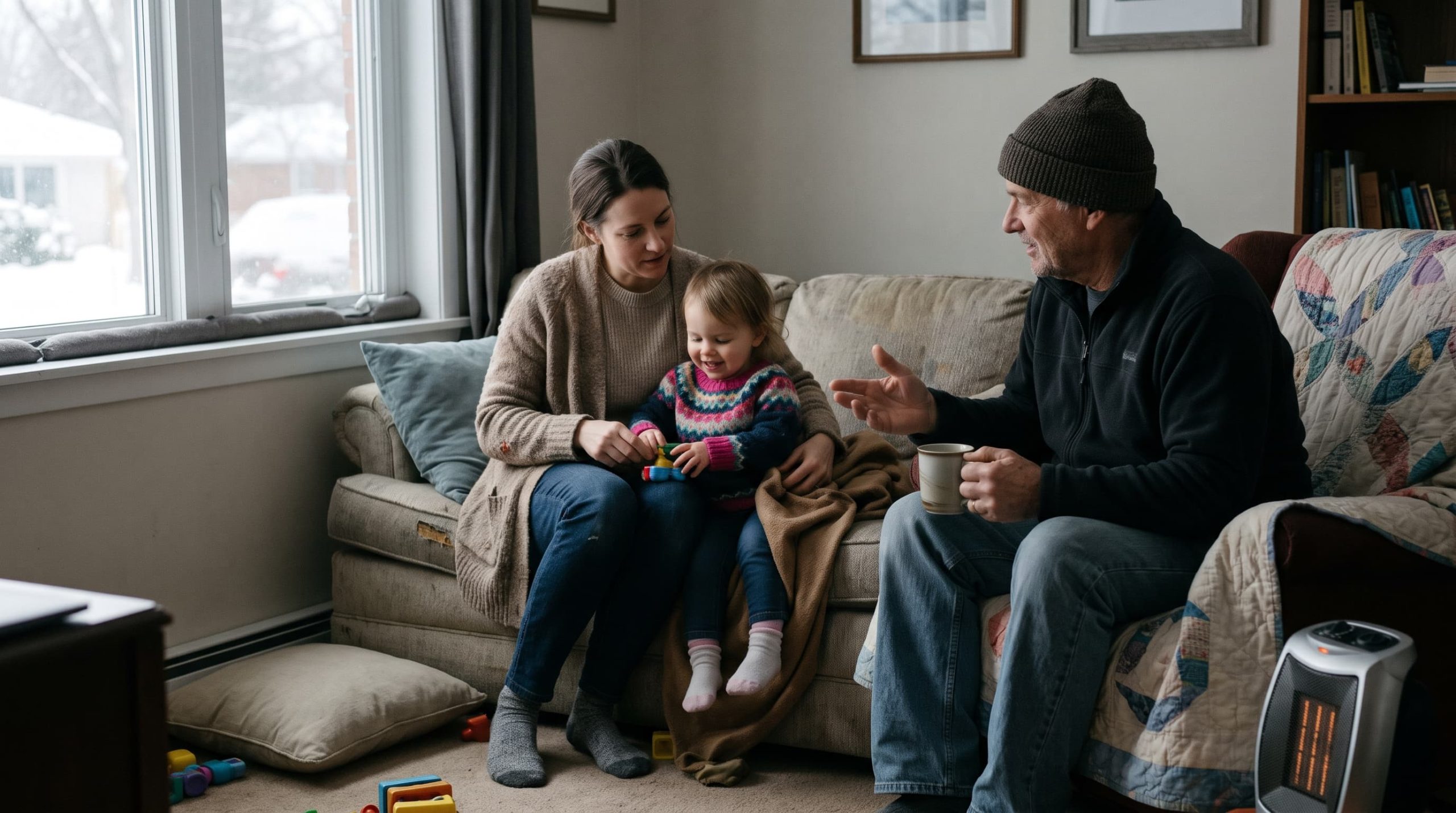
When temperatures drop, heating bills can climb fast. For millions of households across the United States, keeping the lights on and the heat running during winter months puts serious strain on the budget. The good news is that a range of assistance programs exists specifically to help people cover these costs. Whether you rent or own, work part-time or are retired, there may be a program in your area that can help.
Why Winter Utility Costs Hit So Hard
Heating a home through a cold winter can cost anywhere from a few hundred to several thousand dollars depending on your climate, the size of your home, and the type of fuel you use. Natural gas, heating oil, propane, and electricity all fluctuate in price, and many families find themselves choosing between groceries and keeping the thermostat at a safe temperature. Seniors, young children, and people with chronic health conditions are especially vulnerable to the dangers of a cold home.
The Main Federal Program: LIHEAP
The Low Income Home Energy Assistance Program, commonly known as LIHEAP, is the cornerstone of federal winter utility help. Administered by the U.S. Department of Health and Human Services, LIHEAP provides funding to states, territories, and tribal organizations, which then distribute assistance directly to qualifying households. The program can help pay for heating costs, resolve past-due utility bills that put service at risk of shutoff, and in some cases cover emergency needs when a household faces an immediate crisis like a broken furnace.
Eligibility is based primarily on household income and size. In general, households earning at or below 150 percent of the federal poverty level, or 60 percent of their state’s median income, are most likely to qualify. Priority is typically given to households with elderly members, people with disabilities, and families with young children.
- Heating assistance to cover a portion of your winter energy bill
- Crisis assistance for emergency situations such as a utility shutoff notice or broken heating equipment
- Weatherization referrals to help reduce your energy use long-term
- Cooling assistance in some states during summer months
How to Apply for LIHEAP
LIHEAP applications are handled at the state and local level, not directly through the federal government. To find your local LIHEAP office, visit the official program page maintained by the U.S. Department of Health and Human Services. You can also call your state’s social services agency or dial 211, a free helpline that connects callers with local social service resources including utility assistance programs.
When you apply, you will typically need to bring or submit documentation that includes proof of identity, proof of address, recent utility bills, and verification of your household income such as pay stubs or a benefits award letter. Application windows vary by state, so it is worth checking early in the fall before the coldest months arrive.
State and Local Utility Assistance Programs
Beyond LIHEAP, many states operate their own supplemental energy assistance programs funded through state budgets or utility company contributions. These programs may have different income limits or cover different types of costs than the federal program. Some states have programs specifically for renters, homeowners, or households using certain fuel types like propane or heating oil.
Utility companies themselves often run customer assistance programs. If you receive a bill you cannot pay, contacting your utility provider directly is a smart first step. Many companies offer budget billing plans that spread costs evenly across the year, payment arrangements for past-due balances, and low-income rate discounts. Ask your provider specifically about any hardship or assistance programs they offer because these are not always advertised prominently.
Using 211 to Find Help Near You
One of the most practical tools for finding winter utility assistance is the 211 helpline. Available in most parts of the country, 211 connects you with a trained specialist who can identify programs in your specific area based on your situation. You can reach 211 by phone, text, or through the website at 211.org. This service is free and confidential.
- Call or text 211 from any phone
- Visit 211.org and enter your zip code to search local resources
- Available around the clock in many areas
- Specialists can help with utility bills, food, housing, and other basic needs
Weatherization Assistance: A Long-Term Solution
If your home is drafty, poorly insulated, or has an old inefficient heating system, your energy bills will stay high no matter how much assistance you receive in the short term. The federal Weatherization Assistance Program, also run through the Department of Energy, helps low-income households make energy efficiency improvements at no cost. This can include adding insulation, sealing air leaks, upgrading heating systems, and installing energy-efficient windows or doors.
Weatherization assistance is not a quick fix since services are delivered by local agencies and waitlists can be long, but the long-term savings on energy bills can be significant. Households that receive weatherization services often see reductions in their annual energy costs. Income guidelines are similar to LIHEAP, so many households qualify for both programs.
Nonprofit and Community Organization Help
Many nonprofit organizations also provide emergency utility assistance, particularly for families facing shutoff. Local community action agencies, which are often the same organizations that administer LIHEAP, may have additional funds from private donors or foundations. Religious organizations, local charities, and organizations like the Salvation Army and Catholic Charities also maintain emergency utility funds in many communities. These funds are usually limited and given on a first-come, first-served basis, so reaching out early matters.
Tips for Reducing Your Winter Energy Bill
While you pursue assistance, there are practical steps you can take right now to lower your heating costs and stretch your budget further.
- Set your thermostat to 68 degrees or lower when you are home and awake, and lower it when sleeping or away
- Use draft stoppers along doors and heavy curtains on windows to reduce heat loss
- Reverse your ceiling fans to push warm air down from the ceiling
- Get a free or low-cost energy audit through your utility company or local community action agency
- Change furnace filters regularly to keep your heating system running efficiently
- Take advantage of any free weatherization services available in your area
What to Do If Your Utility Is About to Be Shut Off
If you have received a shutoff notice, do not wait. Contact your utility company immediately to explain your situation and ask about any shutoff protection policies. Many states have rules that restrict utility shutoffs during extreme cold weather, particularly for households with elderly or disabled members. At the same time, call 211 or contact your local LIHEAP office to request emergency assistance. Acting quickly gives you the best chance of preventing an interruption in service.
Getting Started Today
Winter utility help is available, but you have to know where to look and act before a crisis hits. Start by contacting your local LIHEAP office through the federal program finder, calling 211, or reaching out to your utility company. Gather your income documents and recent bills so you are ready to apply. Programs have limited funds and serve applicants on a first-come basis in many states, so the sooner you apply the better your chances of receiving help this heating season.
Leave a Reply