
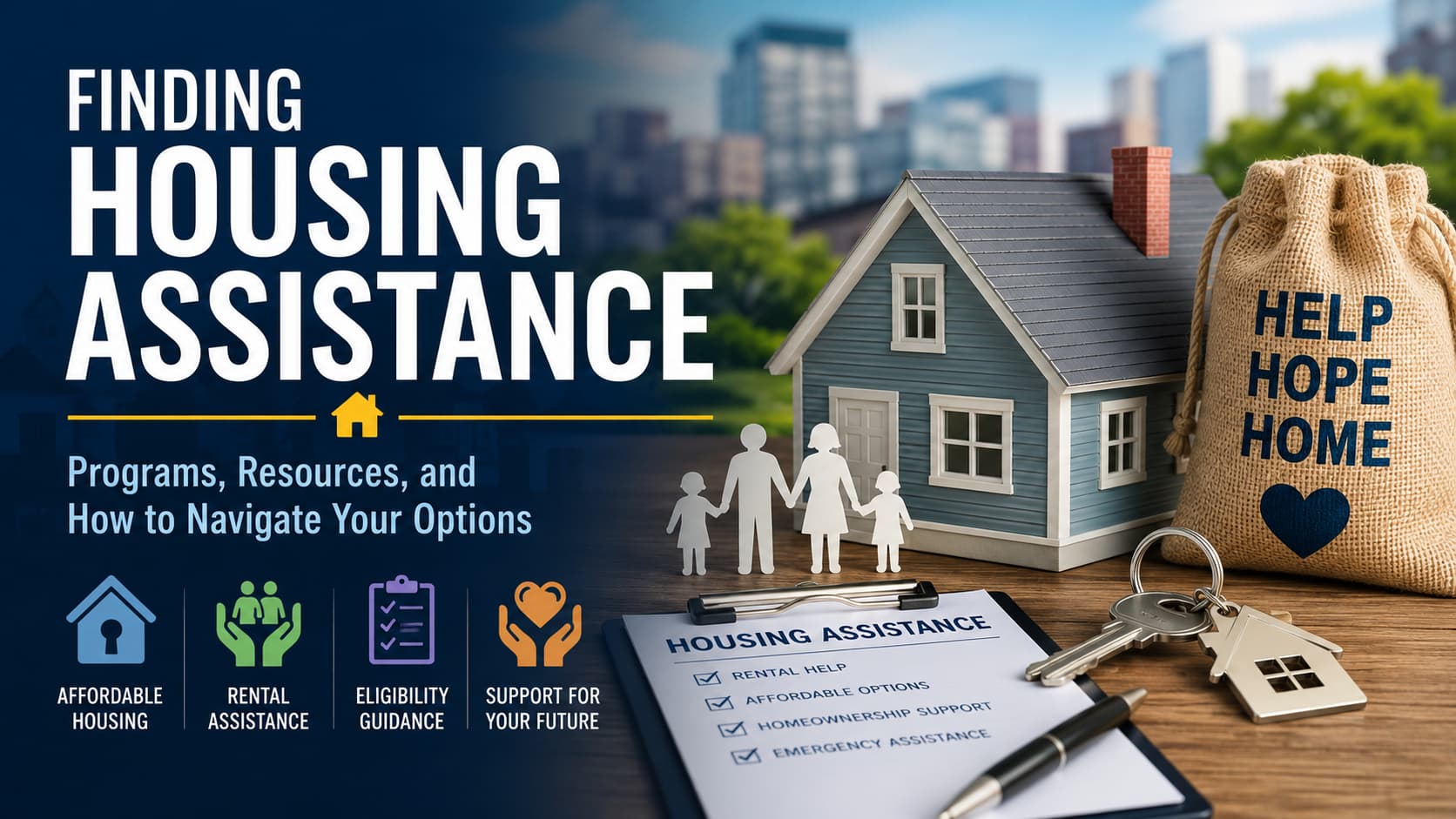
Housing assistance programs are designed to help individuals and families access safe, stable, and affordable housing during periods of financial hardship, housing instability, or life transition. As housing costs continue to rise across many communities, these programs have become an increasingly important resource for renters, seniors, people with disabilities, veterans, and households struggling to maintain housing stability.
Despite the wide availability of housing assistance resources, many eligible households never receive support. This is often not because they fail to qualify, but because housing programs are administered through multiple agencies, eligibility requirements vary by location, waitlists can be difficult to navigate, and application processes are often confusing. Without clear guidance, many people miss opportunities that could help prevent eviction, reduce housing costs, or improve long-term stability.
This article provides an in-depth overview of major housing assistance program categories, who they are designed to help, how eligibility generally works, and why using a reliable housing assistance website can significantly improve outcomes for consumers seeking support.
What Housing Assistance Is and Who It Is Designed to Help
Housing assistance refers to programs and services that help eligible individuals and families obtain, maintain, or afford safe housing. These programs are intended to reduce housing burdens, prevent homelessness, and improve housing stability for households facing financial challenges.
Housing assistance is commonly available to:
- Low-income individuals and families
- Seniors
- People with disabilities
- Veterans
- Households facing eviction or homelessness
- Survivors of domestic violence
- Individuals experiencing temporary financial hardship
Some programs provide ongoing rental assistance, while others offer short-term emergency support or access to affordable housing opportunities. Because eligibility and availability vary significantly by location, understanding the different program types is essential.
Rental Assistance Programs
Rental assistance programs help eligible households afford housing in the private rental market or through subsidized housing communities.
Common rental assistance options include:
- Housing Choice Voucher Program (Section 8)
- Project-Based Rental Assistance
- Project-Based Voucher Programs
- State and local rental subsidy programs
- Income-restricted housing communities
These programs typically reduce housing costs by limiting the amount a household pays toward rent based on income.
Eligibility often depends on factors such as:
- Household income
- Family size
- Citizenship or eligible immigration status
- Disability status
- Local housing authority requirements
Many rental assistance programs have waiting lists that can vary significantly in length depending on local demand and available funding.
Consumers frequently miss opportunities because they are unaware of open waitlists, misunderstand eligibility rules, or fail to submit required documentation.
Public Housing Programs
Public housing provides affordable rental units owned and managed by local housing authorities.
These communities are designed to serve eligible low-income households and often provide long-term housing stability through income-based rent structures.
Public housing may benefit:
- Families with children
- Seniors
- Individuals with disabilities
- Extremely low-income households
Although public housing is often discussed alongside Section 8, the two programs operate differently and involve separate application processes.
Because policies, occupancy standards, and waiting list procedures vary by housing authority, applicants often benefit from access to clear educational resources and application guidance.
Emergency Rental Assistance and Homelessness Prevention Programs
Emergency housing assistance programs are designed to help households facing immediate housing crises.
These programs may provide support for:
- Past-due rent payments
- Utility assistance
- Security deposits
- Temporary housing costs
- Eviction prevention services
- Housing stabilization support
Emergency assistance is often administered through local governments, nonprofit organizations, and community agencies.
Eligibility may depend on:
- Risk of eviction
- Income level
- Household circumstances
- Availability of local funding
Because emergency resources are often time-sensitive and location-specific, many households struggle to identify available assistance quickly enough to avoid housing loss.
Housing Assistance for Seniors and People With Disabilities
Several housing programs are specifically designed to support seniors and individuals living with disabilities.
These programs may offer:
- Accessible housing units
- Income-based rental assistance
- Supportive housing services
- Independent living resources
- Service-enriched housing communities
Some programs prioritize applicants with specific needs and may include additional support services that help residents maintain stable housing and independent living arrangements.
Understanding which programs offer priority placement or specialized services can significantly improve housing outcomes for eligible applicants.
Veteran Housing Assistance Programs
Veterans may qualify for housing assistance programs that combine affordable housing support with specialized services.
Available resources may include:
- Rental assistance programs
- Supportive housing services
- Homelessness prevention programs
- Transitional housing opportunities
- Case management and housing navigation support
Eligibility requirements vary depending on military service history, household circumstances, and program-specific guidelines.
Because veteran housing resources are often administered through multiple agencies and community organizations, many veterans benefit from assistance locating and comparing available options.
Homeownership Assistance Programs
Housing assistance is not limited to renters.
Certain programs help eligible households pursue homeownership through financial assistance, education, or discounted housing opportunities.
Examples may include:
- Down payment assistance programs
- First-time homebuyer initiatives
- Homeownership counseling services
- Good Neighbor Next Door opportunities
- Local housing finance agency programs
These programs are intended to expand access to homeownership and reduce barriers associated with purchasing a home.
Eligibility requirements often vary based on income, occupation, location, and occupancy requirements.
State, Local, and Community Housing Programs
In addition to federal housing initiatives, many states, counties, municipalities, and nonprofit organizations operate housing programs tailored to local needs.
These programs may support:
- Affordable rental housing
- Workforce housing initiatives
- Utility assistance
- Housing rehabilitation efforts
- Emergency housing stabilization
- Community development projects
Local programs are often less widely known than federal assistance programs, which means eligible households may overlook valuable opportunities available within their own communities.
Staying informed about local resources can significantly increase access to housing support.
Why Many People Struggle to Find Housing Assistance
Housing assistance programs can be difficult to access, even for households that qualify. Information is often spread across multiple agencies, eligibility rules vary by location, and application requirements can be confusing for first-time applicants.
Some of the most common challenges include:
Difficulty Identifying the Right Programs
Many consumers are unsure which housing programs apply to their situation. A household seeking emergency rental assistance may need different resources than a senior looking for affordable housing or a family searching for long-term rental support.
Without clear guidance, people often spend significant time researching programs that may not fit their needs.
Confusing Application Requirements
Housing programs frequently require documentation such as proof of income, identification, lease agreements, utility bills, or benefit statements.
Missing paperwork or incomplete applications can result in delays, denials, or requests for additional information that slow the process.
Limited Awareness of Local Resources
While federal housing programs receive the most attention, many forms of assistance are offered through local governments, housing authorities, nonprofit organizations, and community agencies.
Because these programs are administered locally, eligible households may never learn that assistance is available.
Navigating Waitlists and Availability
Many housing programs operate waiting lists that open and close throughout the year. Availability can change quickly depending on funding levels and local demand.
Understanding how waitlists work and where opportunities exist can be difficult without access to reliable information.
How Housing Assistance Websites Can Help
Housing assistance websites help simplify the process by bringing information from multiple sources into one place.
These platforms may help consumers:
- Identify housing programs based on their location and circumstances
- Learn about eligibility requirements before applying
- Understand required documentation and application steps
- Locate local housing authorities and assistance providers
- Monitor housing opportunities and waitlist information
- Access educational resources about housing options and tenant responsibilities
By making information easier to understand and navigate, housing assistance websites can help consumers make informed decisions and connect with resources more efficiently.
Conclusion
Housing assistance programs play a critical role in helping individuals and families maintain safe, stable, and affordable housing. However, successfully accessing these resources often requires navigating complex systems, understanding eligibility requirements, and identifying the programs most relevant to a household’s circumstances.
A reliable housing assistance website helps consumers move from uncertainty to action by providing accurate information, educational resources, and practical guidance. By simplifying the process and helping users identify the right opportunities, these platforms can improve access to housing support and contribute to greater long-term housing stability.
Leave a Reply