
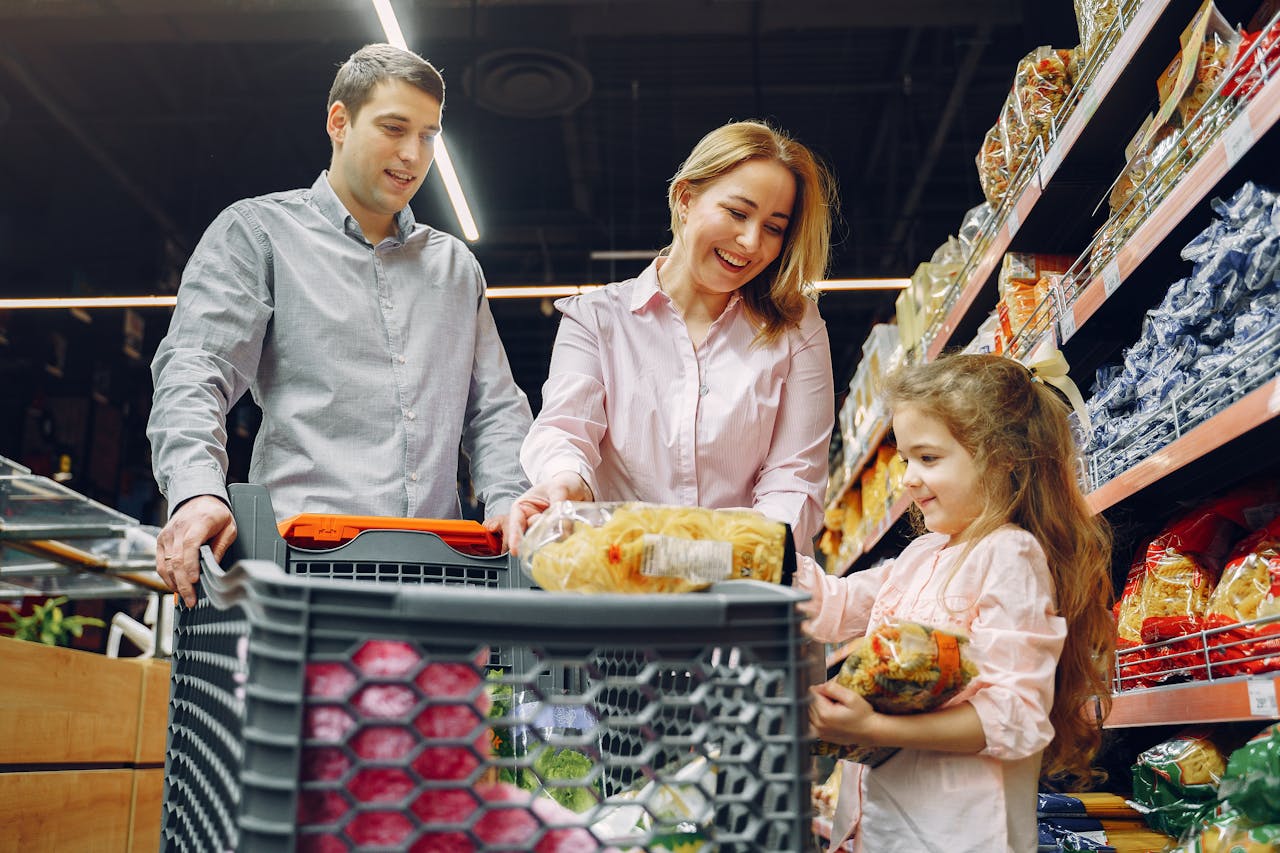
Grocery bills have become a pressure point for many families in 2026. Prices may not be rising as fast as last year, but they are still higher than most budgets can comfortably absorb. With food costs accounting for a growing share of monthly expenses, smart shopping is no longer optional. It is a survival skill.
This guide offers practical, inflation-friendly strategies for families looking to stretch their grocery dollars. From coupon apps to bulk buying and emerging discount trends, each tip is designed to reduce waste, improve planning, and deliver real savings.
Use Coupon and Cashback Apps That Actually Work
Digital couponing has evolved. Instead of clipping paper ads, families now rely on apps that automatically apply discounts or offer cashback on everyday purchases.
Popular options include:
- Ibotta: Offers cashback on groceries, household items, and even online orders. Users scan receipts or link loyalty accounts.
- Fetch Rewards: Converts receipts into points that can be redeemed for gift cards. Works with most major grocery chains.
- Rakuten: Primarily for online shopping, but includes grocery delivery services like Instacart and Walmart.
- Target Circle and Kroger Digital Coupons: Store-specific apps that apply discounts directly at checkout.
It is recommended to check these apps before heading to the store. Some deals are time-sensitive or tied to specific brands. Combining digital coupons with store sales may yield the highest savings.
Buy in Bulk, But Only When It Makes Sense
Bulk buying can reduce per-unit costs, but only if the items are used consistently and stored properly. Families should focus on products that meet three criteria:
- Long shelf life (rice, pasta, canned goods, toilet paper)
- Frequent use (snacks, cereal, cleaning supplies)
- Easy to store without spoilage
Warehouse clubs like Costco, Sam’s Club, and BJ’s offer bulk pricing, but membership fees must be factored in. For smaller households, consider splitting bulk purchases with neighbors or relatives.
Avoid bulk buying perishables unless you have a plan to freeze or preserve them. Spoiled food cancels out any savings.
Track Prices and Shop Sales Cycles
Grocery prices fluctuate based on seasonality, demand, and supply chain shifts. Tracking prices over time helps families identify when to buy and when to wait.
Tips for timing purchases:
- Stock up on meat and frozen items during holiday sales.
- Buy produce in season for better quality and lower prices.
- Watch for monthly store promotions tied to loyalty programs.
- Use price comparison apps like Flipp or Basket to find the best deals nearby.
It may help to keep a simple spreadsheet or note on your phone to track prices of commonly purchased items. Over time, patterns emerge that guide smarter decisions.
Explore Discount Grocery Chains and Private Labels
In 2026, discount grocery chains have expanded their footprint. Stores like Aldi, Lidl, and Grocery Outlet offer lower prices by streamlining inventory and focusing on private-label products.
Private-label brands often match national brands in quality but cost 10 to 30 percent less. Examples include:
- Aldi’s Simply Nature and Millville
- Kroger’s Simple Truth and Private Selection
- Walmart’s Great Value and Marketside
Test a few alternatives and keep the ones that meet your standards. Many families report no noticeable difference in taste or performance.
Use Store Loyalty Programs Without Overcommitting
Loyalty programs offer personalized discounts, fuel rewards, and early access to sales. The key is to use them strategically without falling into the trap of buying more to earn points.
Recommended programs include:
- Safeway’s Just for U
- Kroger’s Plus Card
- CVS ExtraCare for household and pharmacy items
- Walgreens Balance Rewards
Sign up only for stores you visit regularly. Track points and redeem them consistently. Avoid programs that require frequent purchases to unlock value.
Plan Meals Around What Is on Sale
Instead of planning meals first and shopping second, reverse the process. Review weekly ads, identify discounted proteins or staples, and build your meal plan around those items.
For example:
- If chicken thighs are on sale, plan for stir-fry, baked chicken, and soup.
- If pasta is discounted, rotate spaghetti, baked ziti, and cold pasta salad.
This approach reduces impulse buys and aligns your meals with your budget. It also encourages variety without overspending.
Smart Shopping Is a Family Effort
Lowering grocery costs is not about cutting corners. It is about making intentional choices. By using apps, buying strategically, and timing purchases wisely, families can reduce food expenses without sacrificing quality or nutrition.
Leave a Reply